National registry infrastructure: FAIR, federated and patient-centered
EvidaHealth Foundation: National registry infrastructure enabling FAIR (Findable, Accessible, Interoperable, Reusable), federated, and patient-centered real-world evidence for Canada
Building a secure, patient-centred national registry infrastructure that enables health data to be used safely, responsibly, and collaboratively.
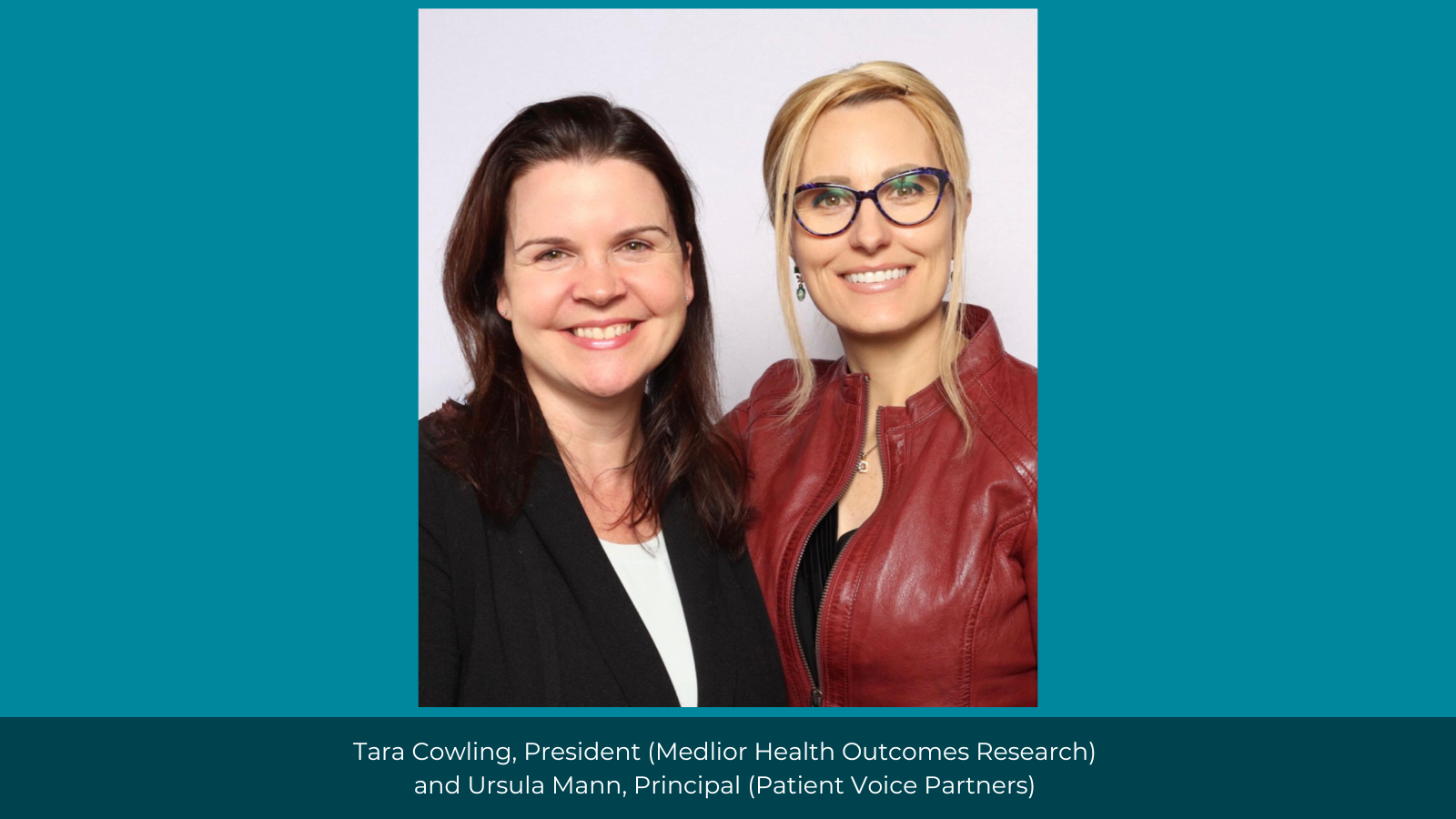
The EvidaHealth Foundation, in partnership with Medlior Health Outcomes Research and Patient Voice Partners, is building a secure, patient-centred platform to improve how health research happens in Canada.
Disrupting the traditional model for creating separate registries for every disease or condition, we are developing one flexible platform-based registry, where patients can choose to share the information that matters most to them. Participation is voluntary, and patients remain in control of how their information is used, helping transform real-world experiences into better evidence and better care.
By combining patient experience, clinical insight, and advanced analytics, this initiative will transform real-world health experiences into better evidence, and ultimately better care.
Health data in Canada is often fragmented across provinces, hospitals, and systems. This makes it difficult to answer important questions about long-term outcomes, treatment effectiveness, and patient experience, particularly for complex conditions.
Through this collaboration we lead registry governance and national infrastructure development; contribute expertise in real-world evidence, health economics, and outcomes research, and ensure meaningful patient engagement and integration of patient-prioritized outcomes
Together, the partnership brings data together in a secure, coordinated way while keeping patient privacy and trust at the centre.
By combining patient-reported information with clinician and health system data, the platform supports more precise research, faster learning, and evidence that reflects real-world complexity, leading to better treatments, better access decisions, and better outcomes.
By the end of the project, the team will have:
- Developed and piloted national registry infrastructure
- Established strong governance and privacy protections
- Demonstrated secure use of patient- and clinician-reported data for research
- Created a scalable foundation for future disease-specific registries across Canada
The platform will be ready to support collaborative research initiatives and precision medicine programs nationwide.
Disease area or discipline
The infrastructure is disease-agnostic. Initial pilots will focus on conditions where innovative therapies are emerging and where long-term real-world outcomes and patient experience data are critical for ensuring appropriate access and value.
Type of data
Patient-reported outcomes, clinician-reported information, and secure links to other health data sources, where permitted.
Data security
All data will be de-identified before being used for research. Personal identifiers are stored separately and protected through strong governance, encryption, and privacy safeguards.
Method (in simple terms)
The project uses data standardisation and privacy-preserving analytics, including AI and machine learning. In simple terms, this means data are organized in compatible formats, and computer models learn from the data without exposing personal information.
Impact on disease and care
The platform will improve understanding of complex conditions, support better treatment planning, and inform research, policy, and care decisions. By integrating patient voice, rigorous real-world evidence methods, and secure infrastructure, the initiative helps ensure that innovation translates into meaningful improvements for patients.
“Canada stands at a turning point. AI and machine learning are transforming healthcare, but without trusted, high-quality, patient-centred data infrastructure, their promise cannot be realized. This project builds the digital backbone for precision medicine in Canada: interoperable, federated, privacy-first systems that allow AI to learn from real-world experience while keeping data under appropriate local control.
By designing infrastructure that is secure, standardized, and built for collaboration, we are enabling AI that is not only powerful, but trustworthy. This is how Canada moves from fragmented data to learning health systems at national scale.” – Project Team
Project Images