AI-driven multimodal spectroscopy for bone cancer detection
An AI-Driven Multimodal Spectroscopy Platform for Real-Time Bone Cancer Detection
Using AI-powered imaging to detect bone cancer early and improve patient outcomes in real time.
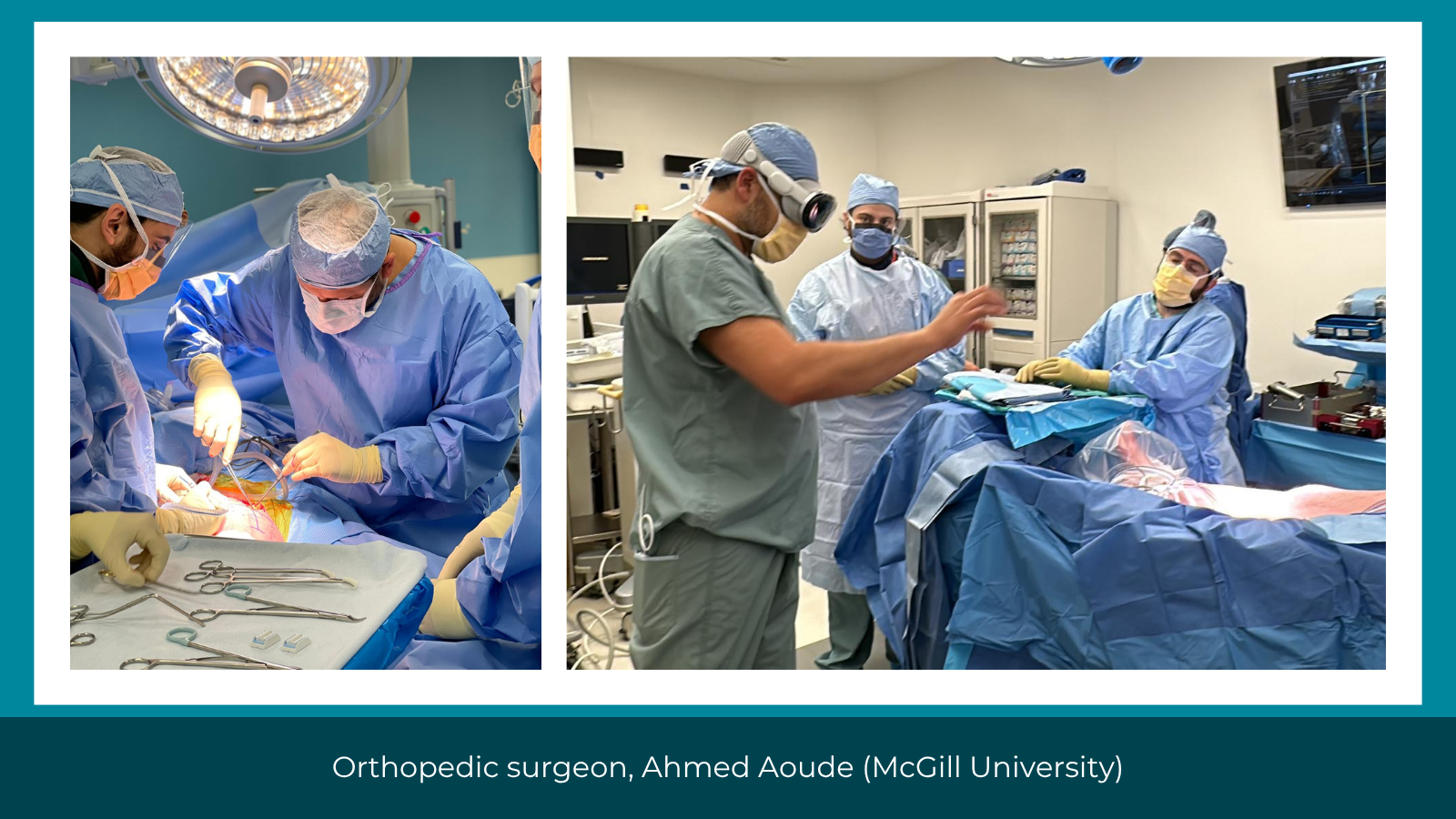
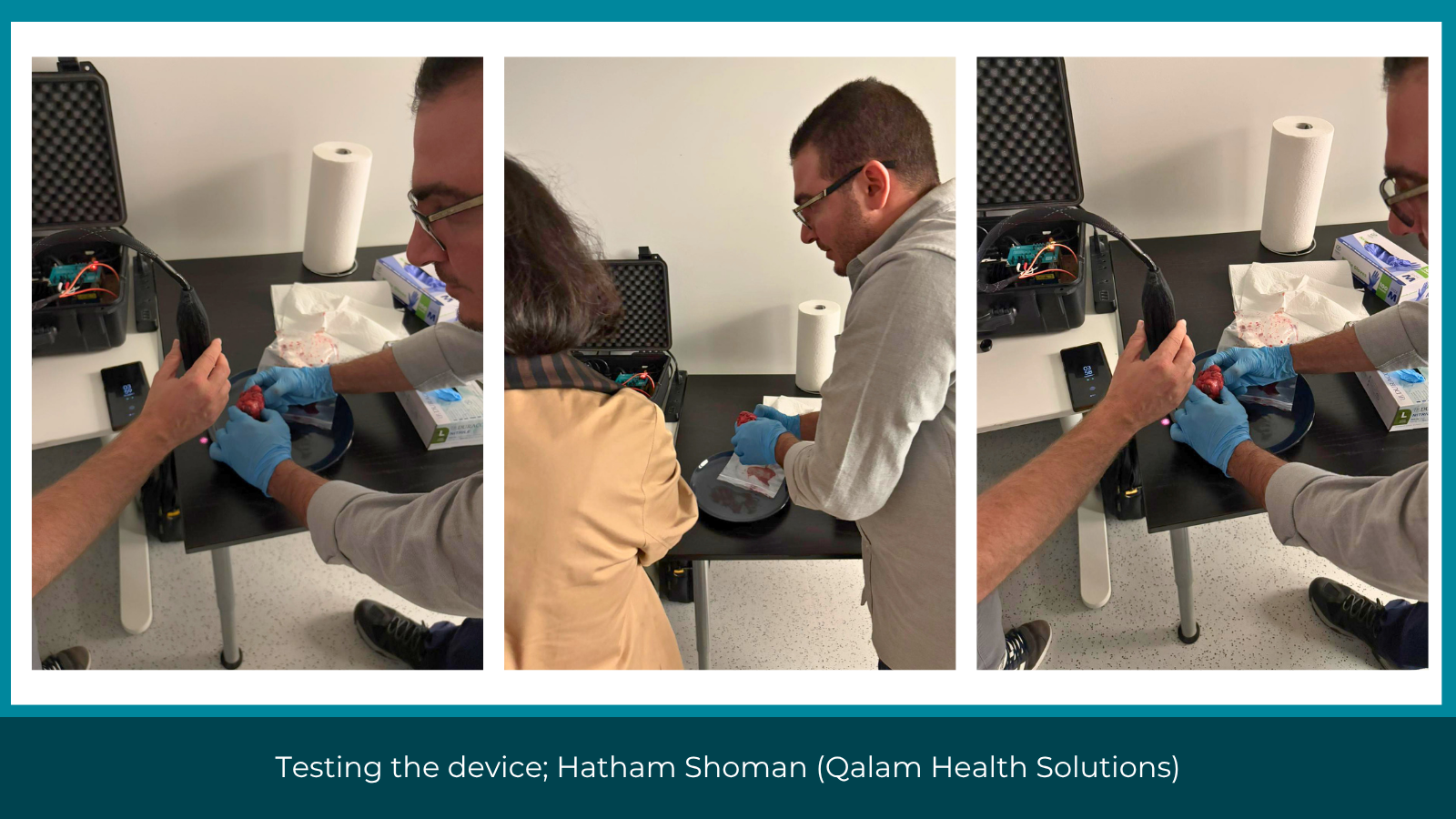
This project aims to help surgeons more accurately remove bone cancer during surgery. Today, surgeons often have limited ways to know if all cancer has been removed, especially in hard bone tissue. Our project is developing a handheld device that gives surgeons real-time feedback during an operation, helping them distinguish cancerous bone from healthy bone while preserving as much normal tissue as possible.
Bone cancers such as osteosarcoma, chondrosarcoma, and Ewing sarcoma are aggressive and often affect children and young adults. If cancer cells are left behind, the disease can return, leading to repeat surgeries, amputations, or poor outcomes. This project supports precision medicine by using advanced data and AI to tailor surgical decisions to each patient’s tissue in real time. The potential impact includes fewer cancer recurrences, better mobility and quality of life, and reduced burden on healthcare systems.
By the end of this project, we aim to validate our technology in pilot clinical studies, create a high-quality shared dataset of bone cancer biomarkers, and demonstrate that AI-based decision support can improve surgical precision.
Experimental design:
- Type of data: Spectroscopic data collected from excised bone tissue, paired with pathology results
- Data security: All data are anonymized and collected under approved ethics protocols
- Method: Artificial intelligence and machine learning are used to analyze complex tissue signals, identify cancer patterns, and provide instant feedback to surgeons
The findings will accelerate precision surgery in bone cancer, enable data sharing for future research, and improve patient outcomes through safer, more accurate cancer removal.
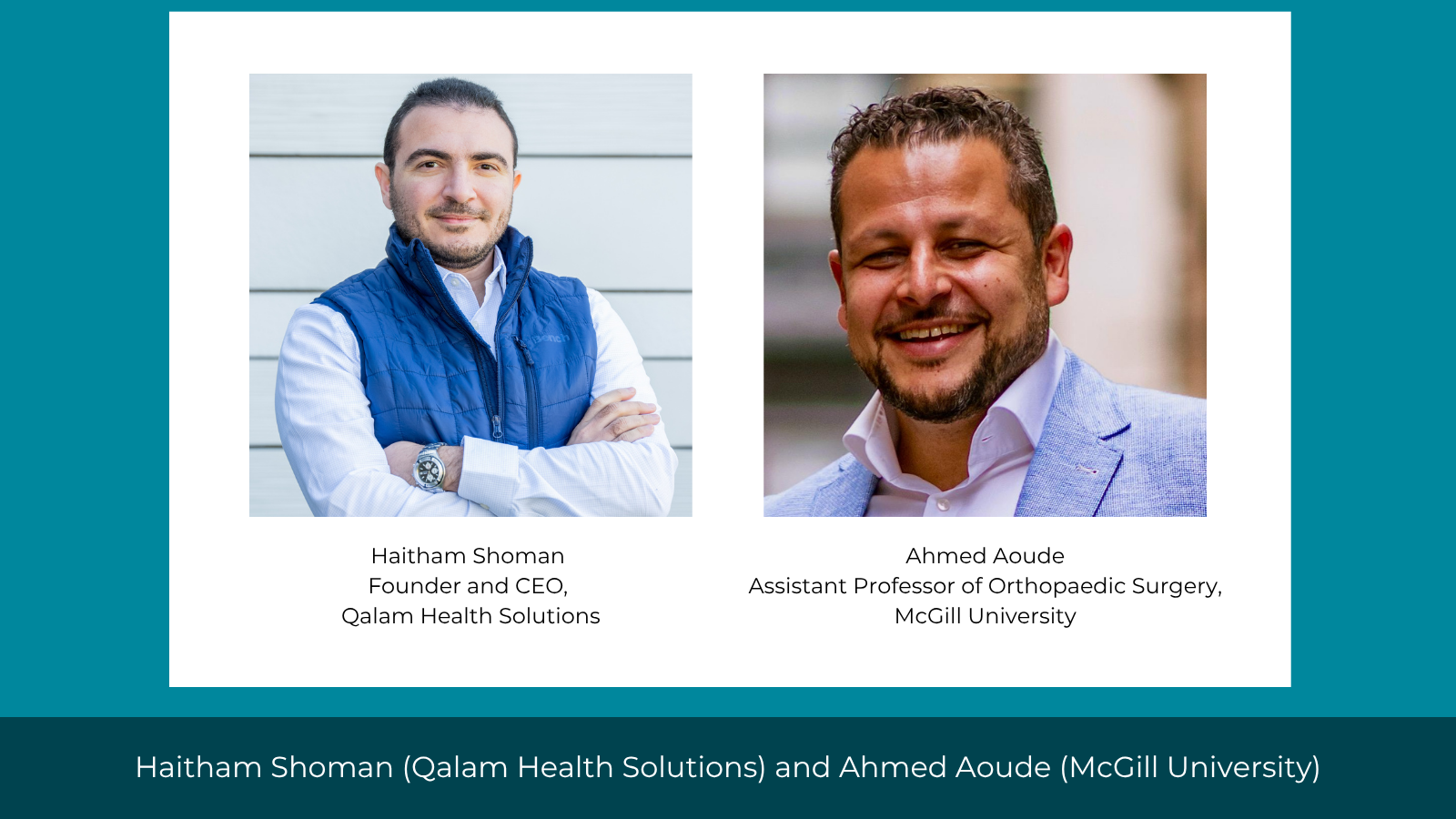
“Our focus is driven by a clear and urgent clinical need: surgeons lack reliable tools to assess cancer margins in real time. Seeing the consequences of residual disease: repeat surgeries, loss of function, and poor outcomes, motivated us to build a data- and AI-driven solution that can meaningfully change how cancer surgery is performed.”
Project Images